

Tree Consultancy Ireland Encounters "Eiffel Tower Fungus" in Co. Dublin
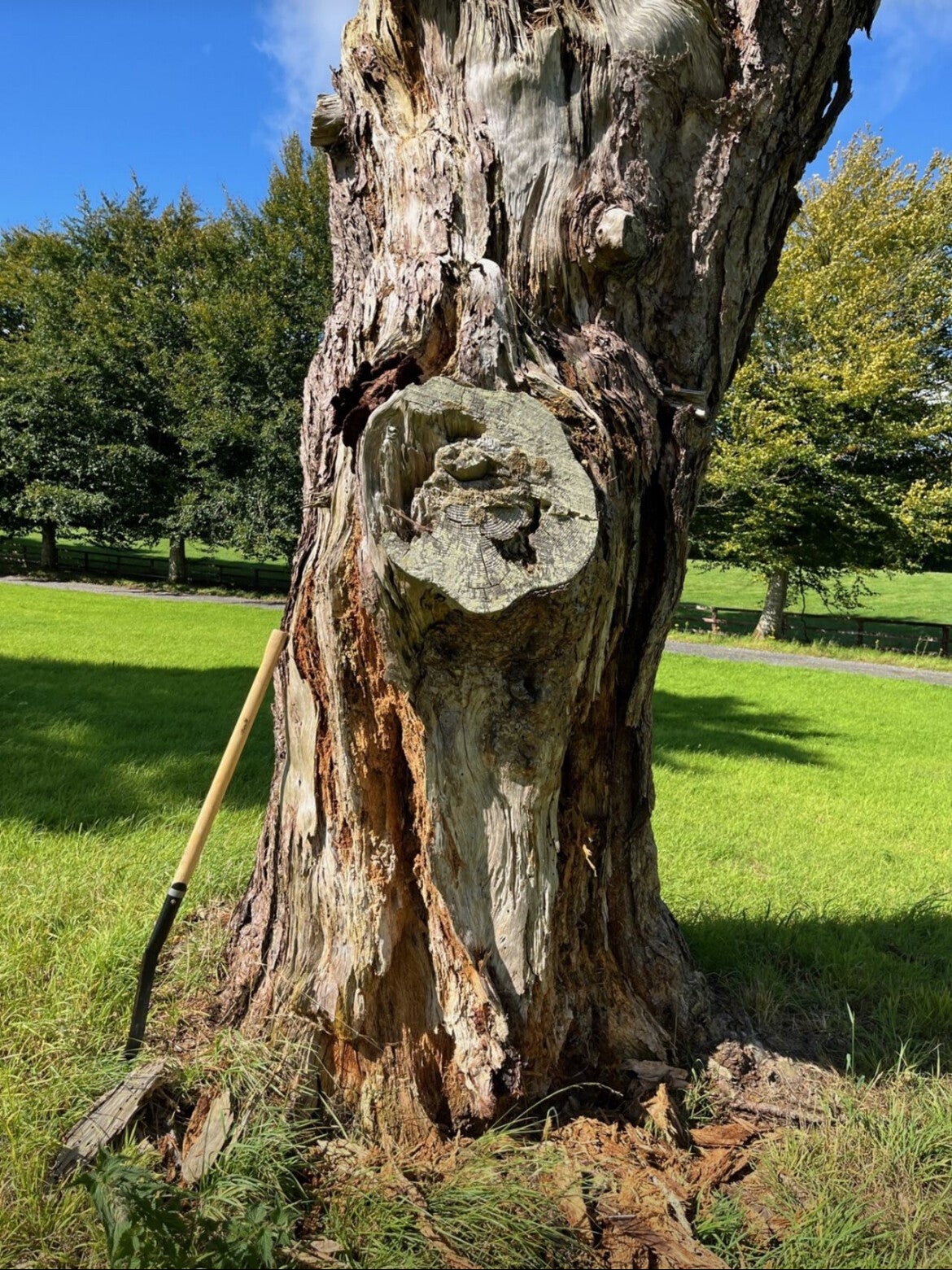
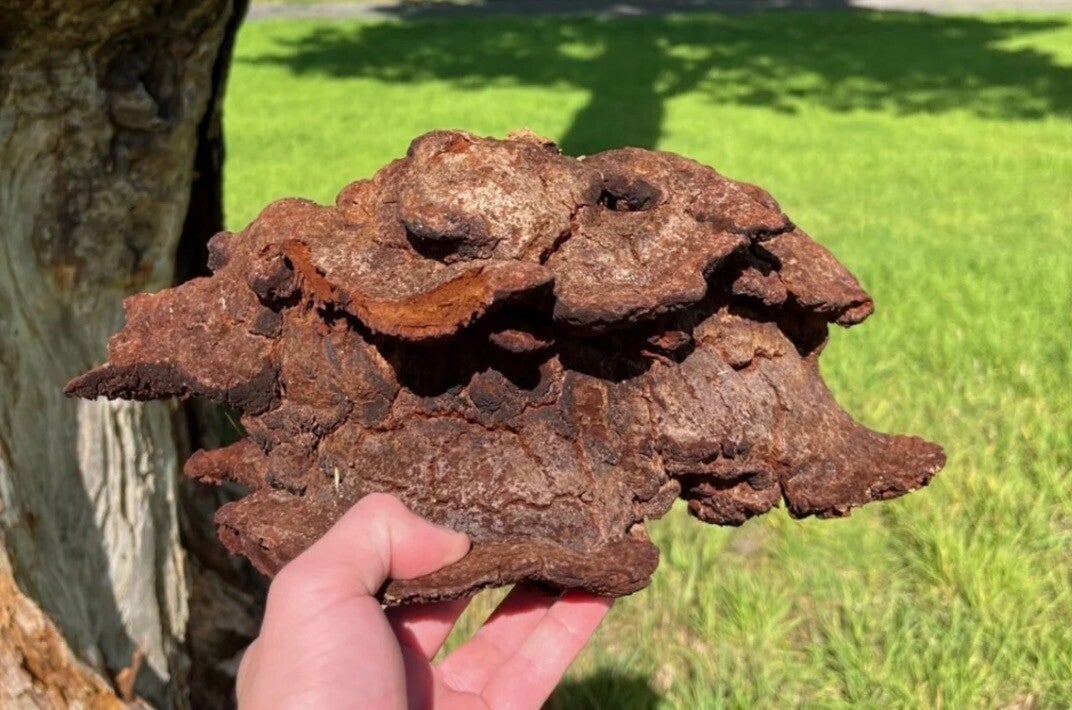
TCI recently encountered the "Eiffel Tower fungus" (Inonotus dryadeus) during a routine site inspection. The fungus had colonised the base of a veteran oak (Quercus robur), prompting a distinct buttress formation that closely resembles the base of the Eiffel Tower, hence its unique name.
This selective white rot fungus decays the compressively strong wood of a tree, leaving behind only the cellulose and hemicellulose. It is mainly found on oak species, which frequently show a high tolerance to the fungus due to this reactive buttress development. Indeed, it is a remarkably effective survival response; despite the extent of the colonisation, this specific tree still stands after recent storms.


Conclusion
Identifying specialised fungal growth like Inonotus dryadeus is a critical part of maintaining landscape safety and compliance. Whether you require a comprehensive tree survey report in Dublin or a detailed arborist report to assess veteran trees on your property, our team possesses the specialised knowledge required to evaluate complex structural health.
Furthermore, if you are planning a development, our experts can prepare a formal Arboricultural impact assessment to ensure your project meets all local planning regulations while protecting valuable local canopy.
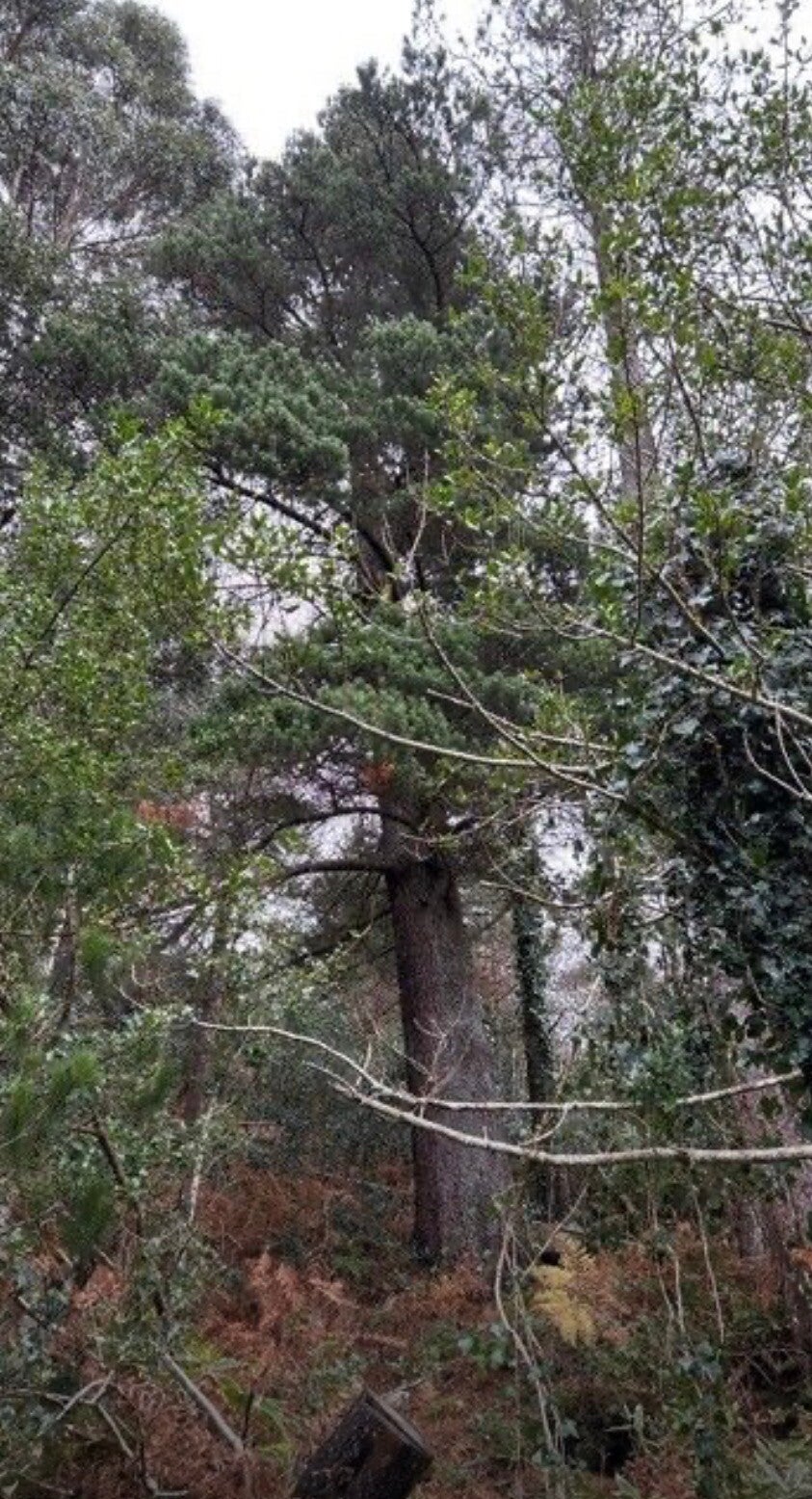
Case Study: Validating a Hazardous Tree Survey Diagnosis
At TCI, we specialize in comprehensive tree surveys in Dublin and nationwide, providing the expert arborist’s reports required for planning compliance and risk management. As illustrated in the case study shown in "image.png," proactive assessment is critical to identifying hazards before they result in failure. Whether you are managing mature woodland or a development site, our team provides the rigorous analysis needed to ensure your project meets all safety and regulatory standards.
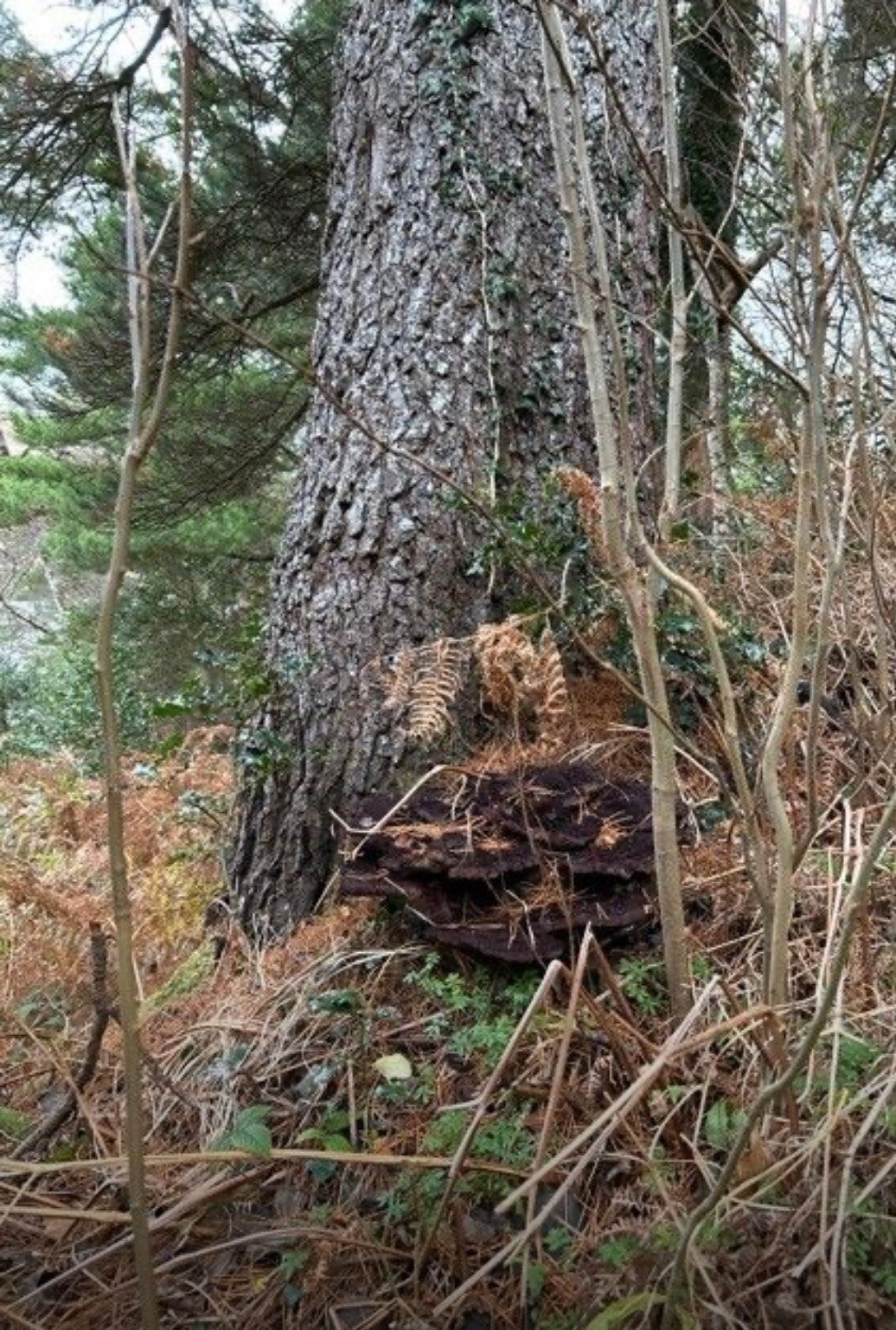
Tree Assessment Findings
Our assessment of a mature lodgepole pine (Pinus contorta) confirmed the necessity of removal due to a critical combination of pathology and mechanical instability. The tree was infected with Dyer’s maze gill fungus (Phaeolus schweinitzii), an aggressive pathogen that induces rapid, brittle brown rot in the root heartwood, severely compromising the tree's anchorage. Furthermore, the specimen exhibited a pronounced, permanent lean that lacked the physiological capacity to re-stabilize, creating an unacceptable risk of catastrophic failure.
Arboricultural Implications
We streamline the planning process by delivering precise BS 5837 impact assessments, tree protection plans (TPP), and arboricultural method statements (AMS) tailored to your site's specific constraints. By identifying hidden decay pathogens and structural weaknesses early, we help developers and property managers avoid costly delays while ensuring the long-term safety of the site. Contact TCI today to discuss your requirements and ensure your project is backed by industry-leading arboricultural expertise.
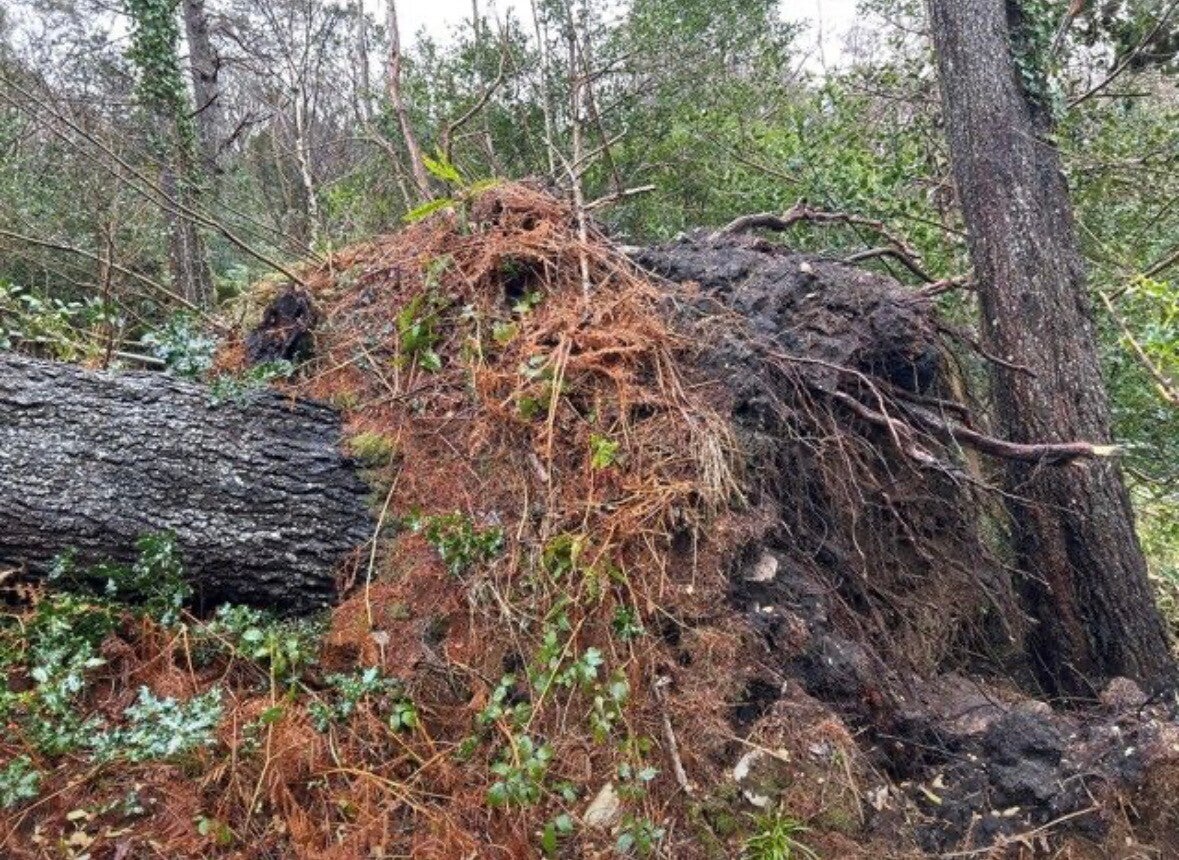
Site Assessment: Windthrow and Structural Stability Analysis
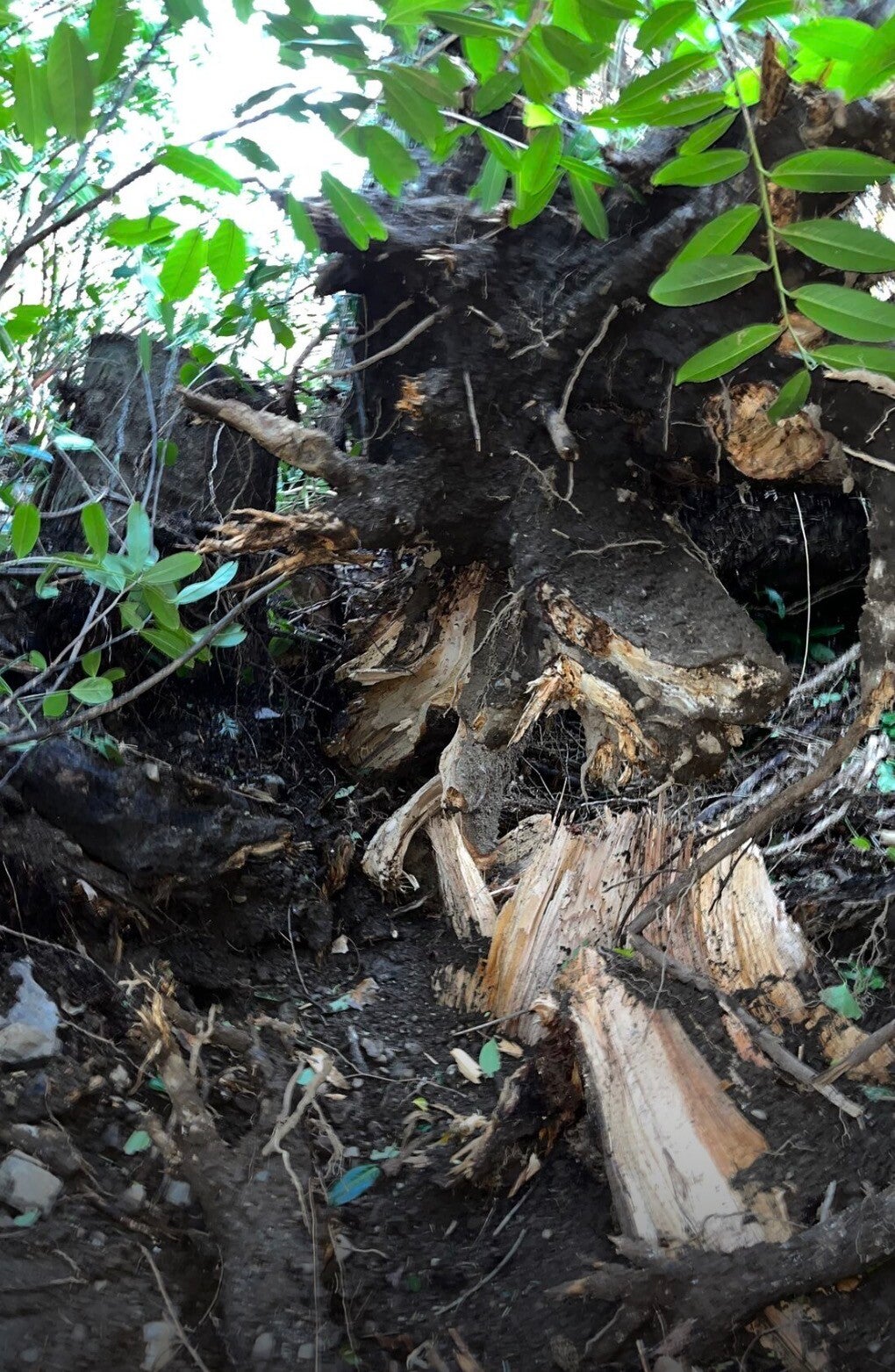
An arboricultural assessment was conducted by Tree Consultancy Ireland (TCI) on a private road in Dublin following the recent windthrow failure of a Fir tree (Abies sp.), which caused a total obstruction of the thoroughfare. A detailed inspection of the root plate indicates that the failure was not the result of a single defect but a combination of environmental stressors. While the primary root system exhibited clean, structural snaps—characteristic of a healthy tree subjected to forces exceeding its mechanical capacity—there was also localized root decay on the flank previously affected by the historic failure of a neighboring specimen.
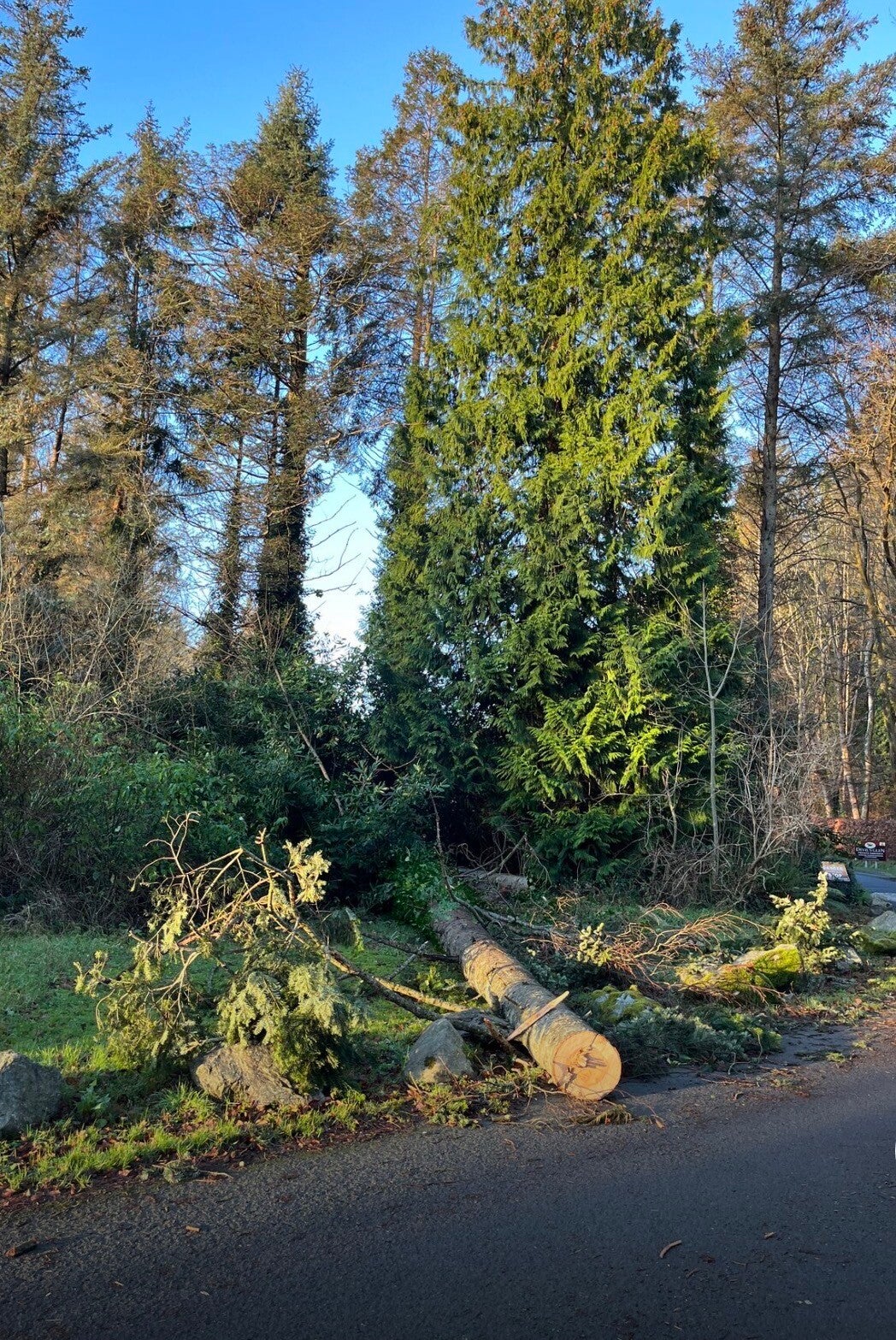
The Impact of Historical Site Alterations
The wider site context, as surveyed by our team at TCI, reveals a concerning trend of instability across the remaining tree population, with dozens of trees showing signs of structural failure. This pattern is a direct consequence of significant historical tree removal, which has fundamentally altered the site's microclimate. Trees that mature within a group dynamic rely heavily on the collective for wind shelter and shared root-plate stabilization. The removal of key specimens has stripped the remaining trees of this essential protection, leaving them vulnerable to increased wind loading and exposing the root systems to mechanical damage and desiccation.
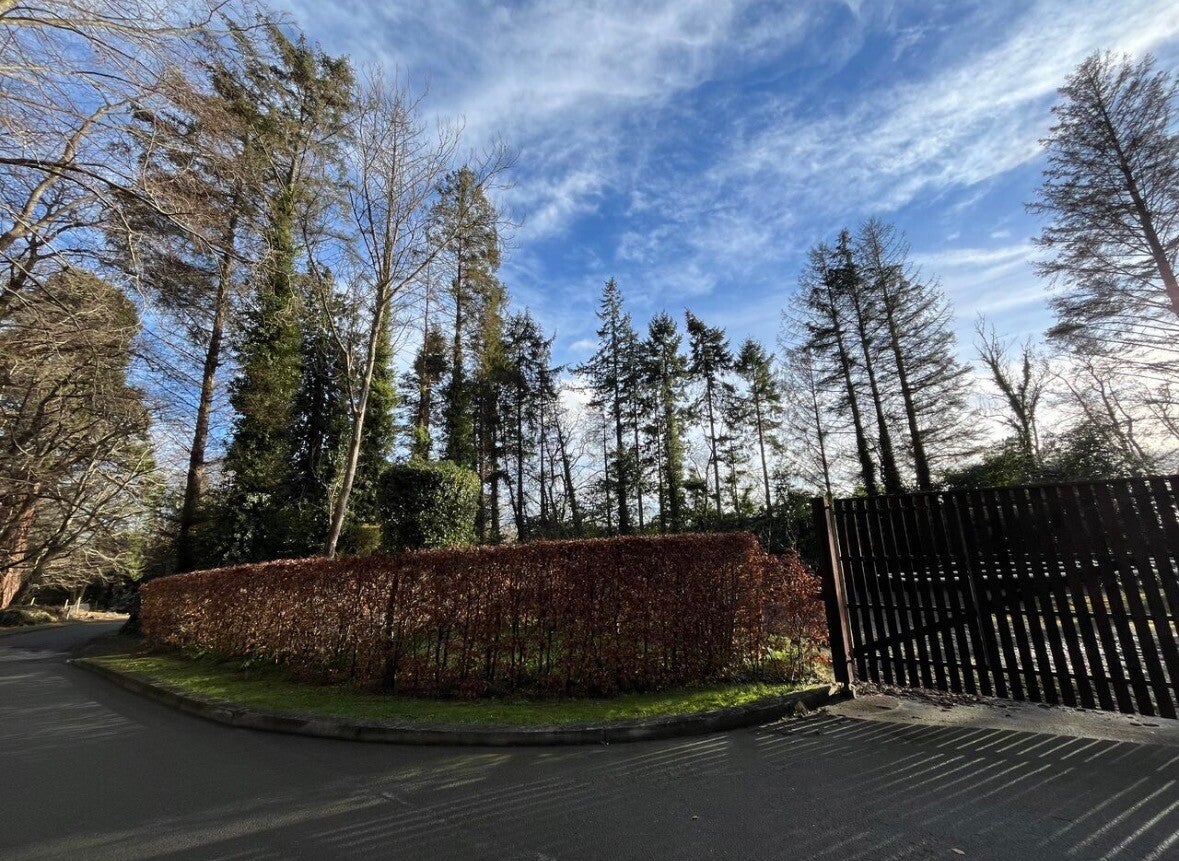
Risk Implications and BS 5837:2012 Standards
In accordance with BS 5837:2012 standards and professional arboricultural best practice, it is evident to Tree Consultancy Ireland that the current state of the group is precarious. The exposure of remaining trees, previously accustomed to a sheltered environment, has created a cascading effect of instability. This site now requires a comprehensive tree survey to mitigate further risk to public and private property, as the failure of one tree in this compromised group significantly increases the likelihood of a chain reaction of structural failures during future weather events.
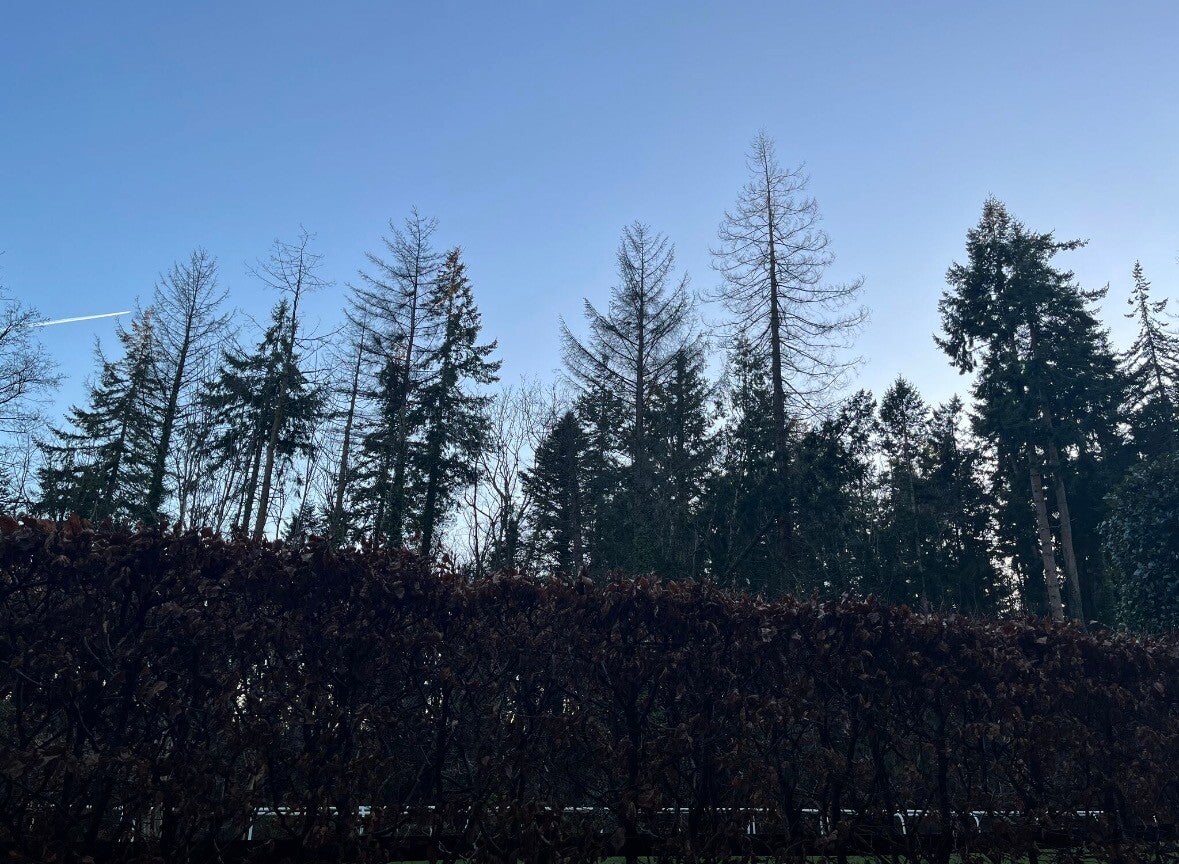
Professional Recommendations and Remediation
Given the current level of risk, Tree Consultancy Ireland strongly recommends a comprehensive, site-wide tree survey to quantify the structural integrity of the remaining specimens. Our team possesses the specialized expertise required to evaluate group stability, identify high-risk individuals, and develop a phased management plan. By implementing a proactive mitigation strategy, we can address the immediate hazards posed by windthrow and ensure the long-term safety of the site, thereby limiting liability and protecting the surrounding assets. Contact TCI today to schedule a formal assessment and receive a detailed remediation strategy tailored to your site's specific requirements.
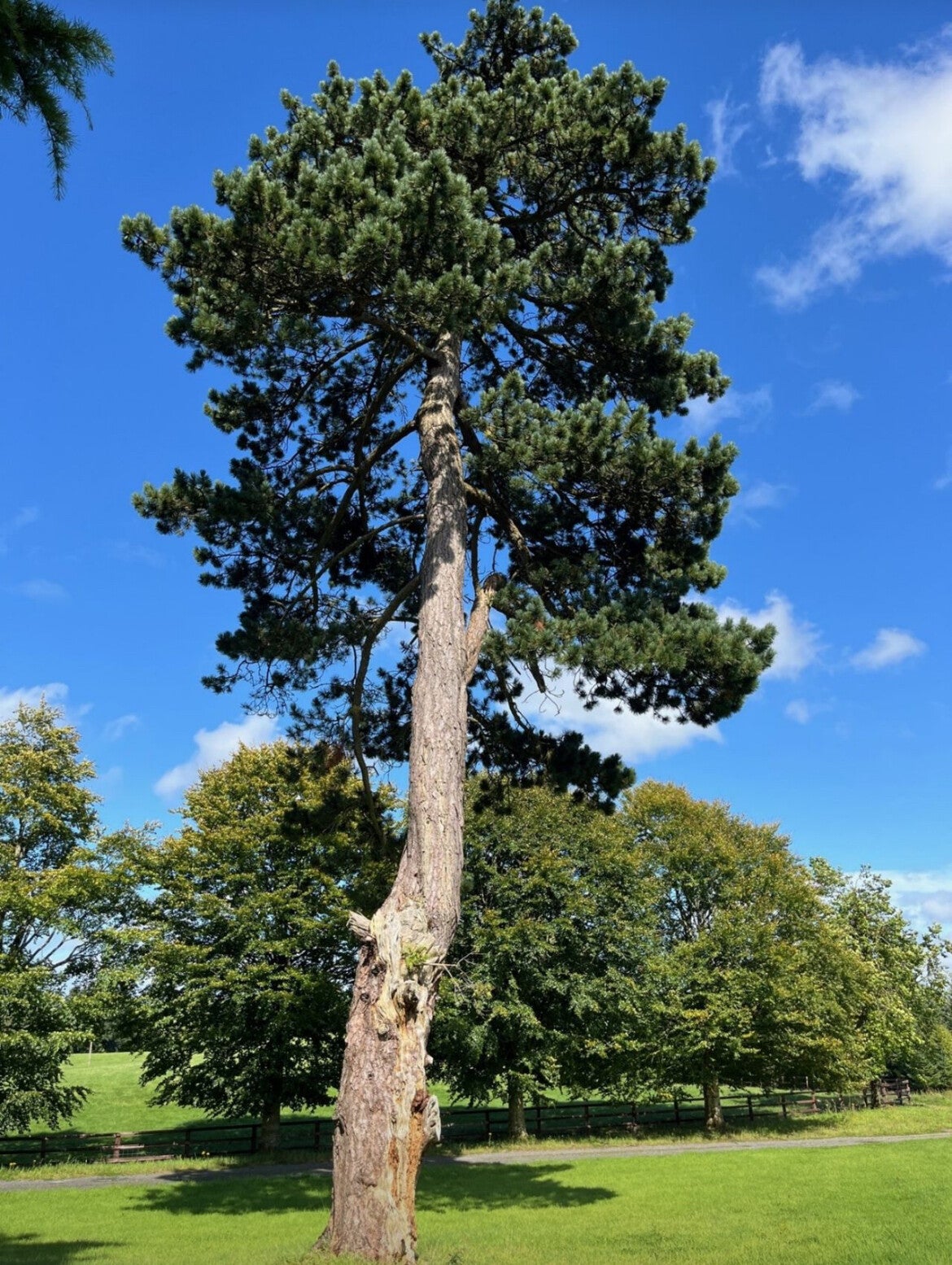
Case Study: Arboricultural Assessment of Pinus nigra (Black Pine)
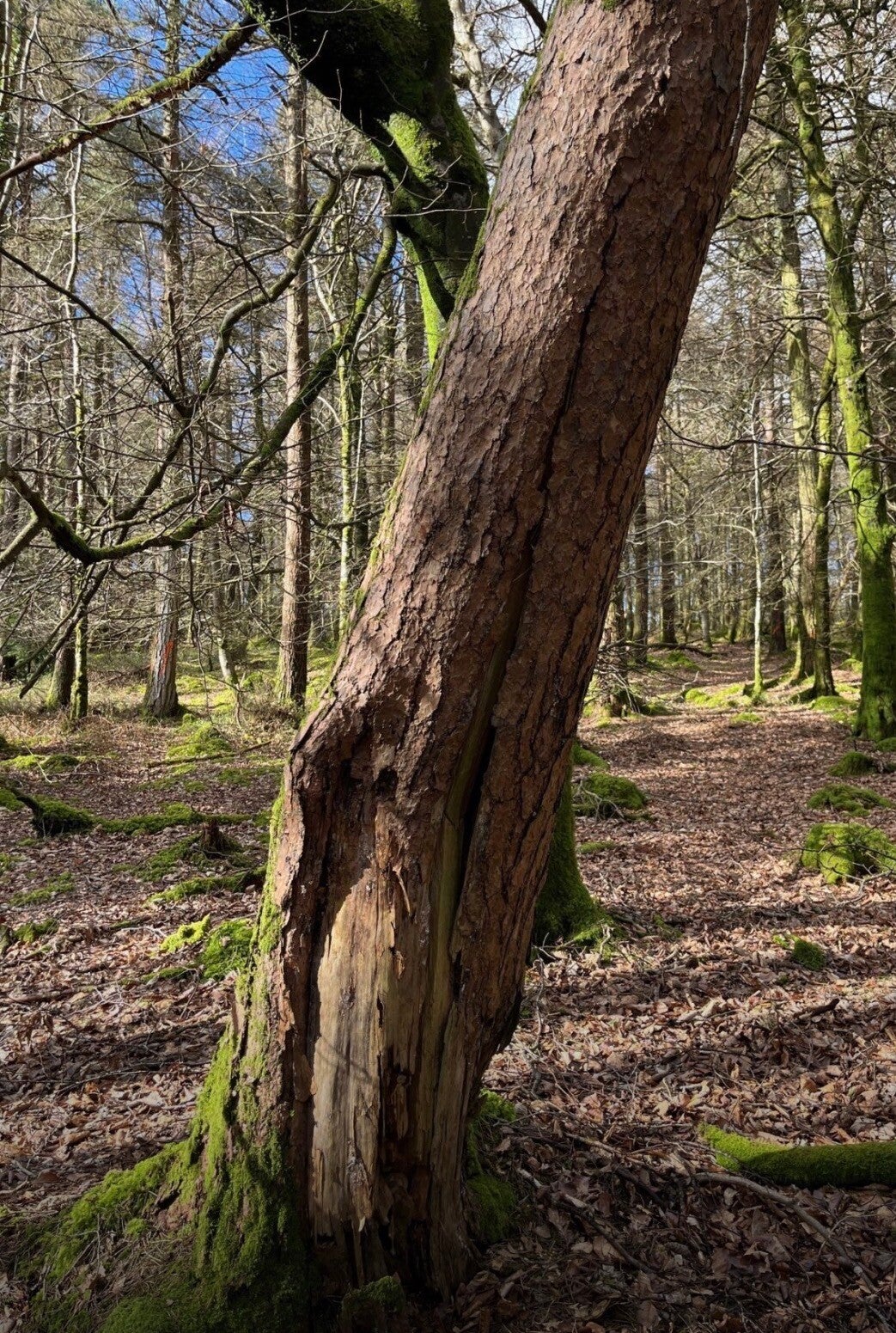
TCI recently conducted a detailed site inspection of a mature black pine (Pinus nigra) to assess its structural integrity and viability within a proposed development site. The specimen suffered a structural failure resulting in the loss of one co-dominant stem, creating a large tear wound extending to the base. Subsequent inspection confirmed the presence of Phaeolus schweinitzii (Dyer's mazegill), which has initiated extensive brown cubical rot through the central stem.
Technical Observations and Risk Assessment
Despite a loss of approximately 60% of the vascular system's circumference, the tree exhibits a surprisingly full crown in good physiological condition. This suggests a high degree of sectorality—a trait often more pronounced in broadleaf species than in conifers, likely influenced by the tree's original co-dominant structure.
In its current location, TCI concluded that the tree could be retained, as it stands in a low-risk zone with sufficient residual sound wood to maintain structural stability. However, as this site is currently subject to a planning application, the tree's retention must be evaluated against the project's Arboricultural Impact Assessment (AIA).

Tree Stake Negligence and Arboricultural Risk Management
A common oversight that leads to a tree's early demise is failing to remove supporting stakes and tie straps once the root system has successfully stabilized. When left in place, straps tightly constrict the growing stem while the rigid stake inflicts structural abrasion, and in extreme cases the stake becomes permanently embedded deep inside the timber trunk. During a recent professional Tree Condition Survey, our technical team encountered a neglected stake completely fused into a tree's stem, leaving a broken, jagged edge angled directly outward that posed a severe, unexpected impalement hazard. While this specific low-use location keeps the immediate liability minimal, identical hazards in high-density public zones present major safety concerns, highlighting why securing a comprehensive Arborist Report or a forward-thinking BS 5837 Tree Survey from TCI is essential for protecting both public safety and your property investments.
TCI Tree Risk Assessment & Case Study
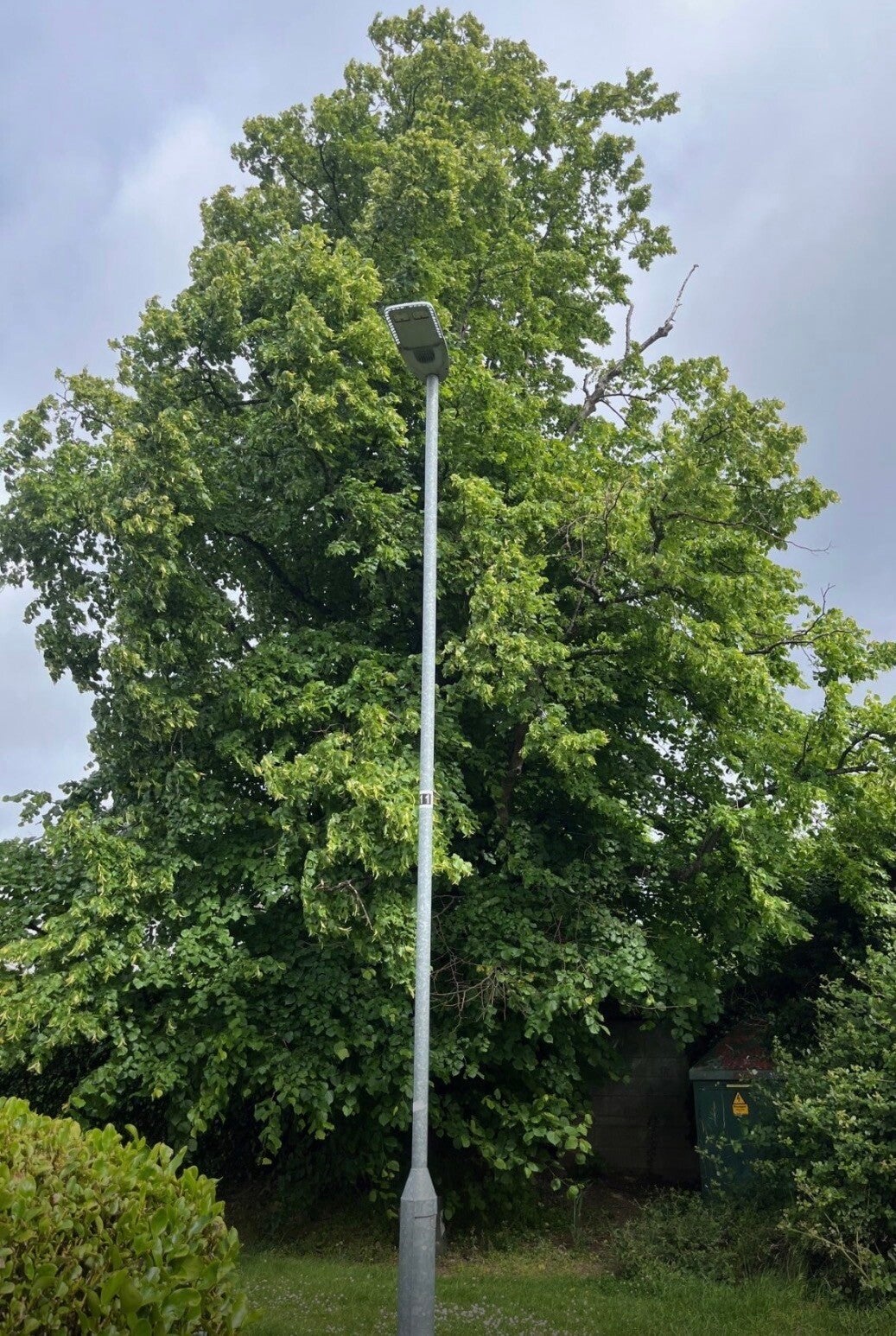
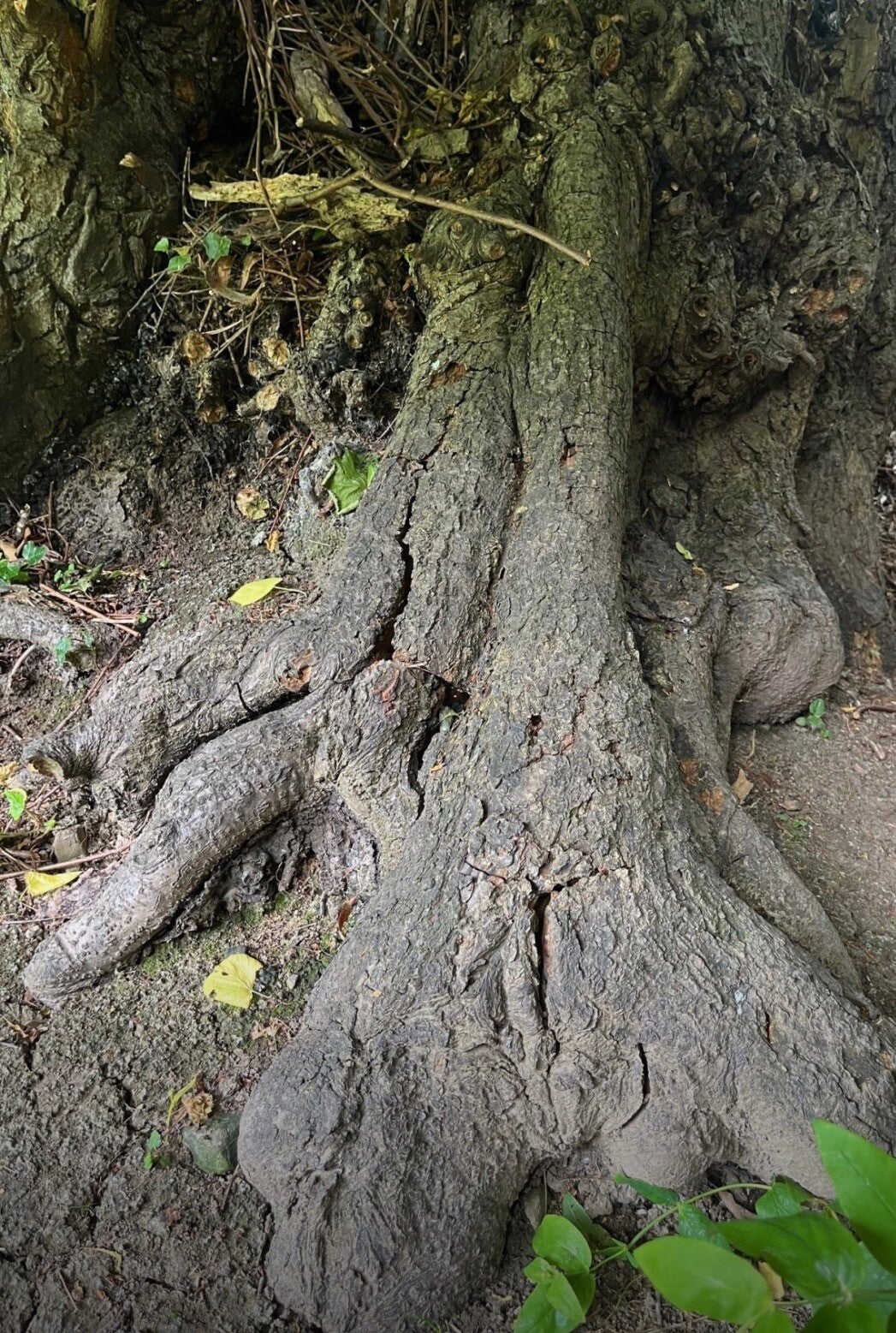
Even a seemingly healthy mature common lime (Tilia x europaea) can hide severe defects. Minor dead wood development on one side of the crown prompted a TCI arboricultural consultant to investigate further, revealing extensive decay of the lower trunk and structural roots. The culprit was brittle cinder fungus (Kretzschmaria deusta), an aggressive basal decay fungus that degrades tensile-strong cellulose and compressive-strong lignin fibres, making the wood brittle.
Why 'Healthy-Looking' Trees Can Deceive
Many wood decay pathogens only affect non-living wood, explaining why the crown appeared generally healthy and why these critical issues are often overlooked during a basic visual assessment. In this specific tree, the decay and dysfunction became so extensive that a total disconnect formed between the roots/base and the crown above. A direct correlation was drawn between this hidden base decay and the dead wood appearing in the crown on that exact same side.
Expert BS 5837 Tree Surveys by TCI
This perfectly highlights the vital need for a detailed Tree Condition Survey and a professional Arborist Report to check a tree's physiological appearance against its structural integrity. At Tree Consultancy Ireland (TCI), our qualified arboriculture specialists carry out a comprehensive range of assessments and professional surveys to determine the health, condition, safety, and preservation of trees on your site, keeping your property safe and your planning applications moving forward.
Our Specialized Arboricultural Services
Our specialized services include BS 5837 Tree Surveys for Planning to ensure development layouts get local council approval, and comprehensive Arborist Reports for detailed health and safety risk assessments. We also provide Tree Risk Assessments to identify hidden structural dangers, decay, and hazardous fungi before they cause property damage, alongside Tree Protection Plans (TPP) to safeguard retained trees during construction phases.
Professional Tree Surveys and Arboricultural Reports
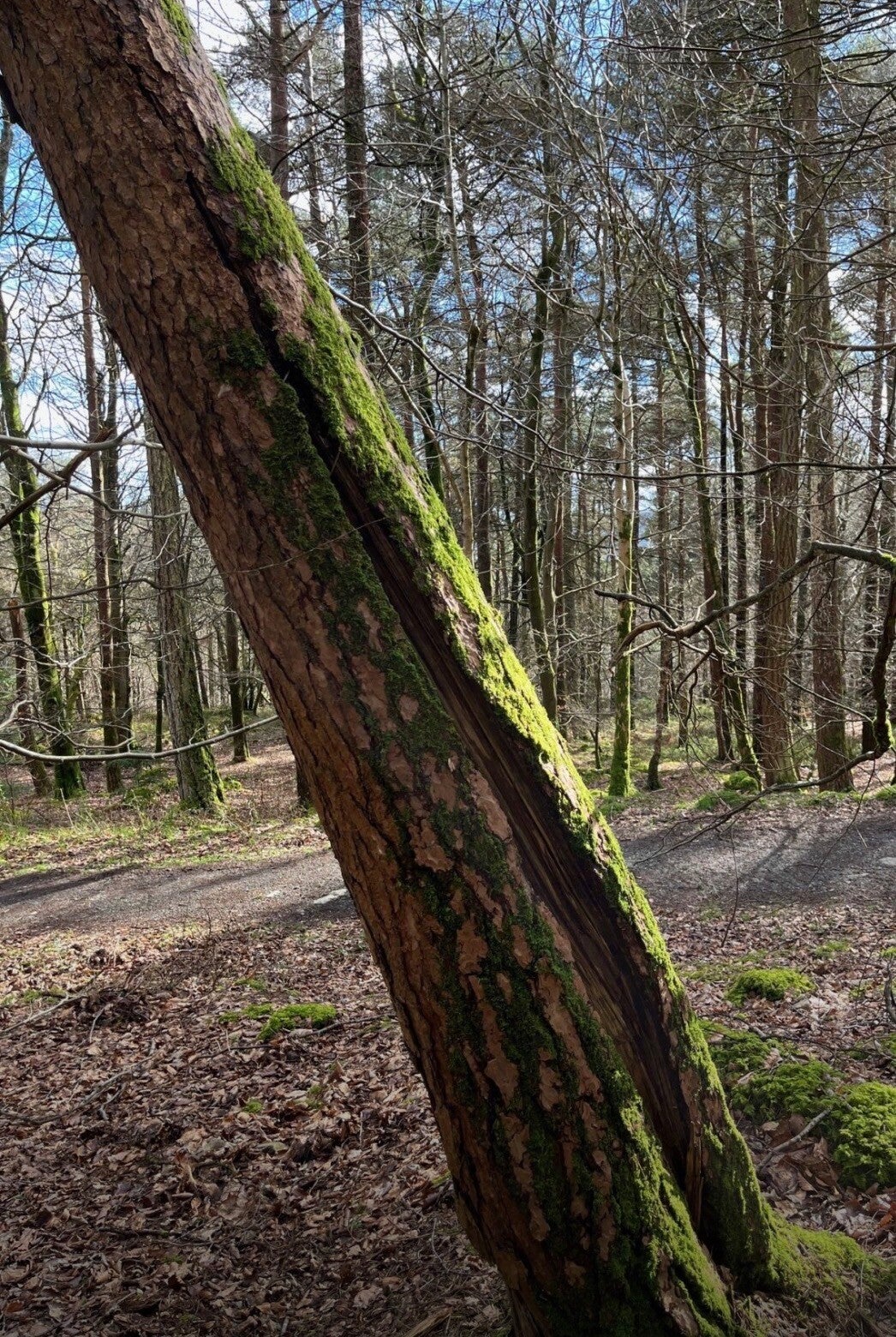
At TCI, we specialize in comprehensive tree surveys in Dublin and nationwide, providing the expert arborist’s reports required for planning compliance and risk management. Whether you are navigating a complex development site or managing mature woodland, our certified team provides the rigorous assessment needed to protect your assets. From identifying structural defects like basal decay in specimens such as our recent County Wicklow Scots pine (Pinus sylvestris) to providing actionable management strategies, we ensure that your project meets all safety and regulatory standards.
BS 5837 Impact Assessments and Tree Protection Plans
We simplify the planning process by delivering precise BS 5837 impact assessments and detailed tree protection plans (TPP) tailored to your site's specific constraints. By evaluating root protection areas and potential construction conflicts early, we help developers and property managers avoid costly delays while ensuring the long-term health of retained trees. Our arboricultural method statements (AMS) provide clear, step-by-step guidance for contractors, ensuring that all groundworks near trees are conducted in strict adherence to industry best practices.
Why Choose TCI for Your Arboricultural Needs?
Managing trees requires a balance between environmental stewardship and structural safety. At TCI, we combine deep technical expertise with a focus on local requirements, helping clients navigate the intricacies of planning permission and Duty of Care. Whether you require a routine health check or a complex assessment for a major infrastructure project, our team delivers the professional documentation and onsite guidance necessary to secure your development. Contact TCI today to discuss your site requirements and ensure your project is backed by industry-leading arboricultural expertise.
Conclusion and Planning Integration
Should the development footprint require the removal of this specimen, a full Arboricultural Method Statement (AMS) will be required to manage the removal process safely and in compliance with BS 5837:2012 (Trees in relation to design, demolition and construction). TCI continues to provide expert guidance on tree constraints and arboricultural consultancy services to ensure all development works remain in compliance with local authority planning conditions.

Mature Austrian Pine Risk Identification
During a recent site visit, our technical specialists evaluated a mature Austrian pine (Pinus nigra) displaying severe structural vulnerabilities. The specimen had previously dropped two major branches, exposing large internal cavities where wood-rotting pathogens are actively advancing. Our analysis identified tight, bark-included unions—a common structural defect where bark gets trapped inside a fork—as the underlying mechanism behind the initial splitting, severely limiting the tree’s structural integrity.

Public Safety and Structural Hazard Evaluation
The primary hazard identified during this professional Tree Safety Evaluation involves a heavy, overextending limb suspended directly above an active public roadway. Despite surviving seasonal storms for multiple years, close-up inspection confirmed this massive branch is held up by an alarmingly thin strip of intact, functional timber. When progressive decay meets a compromised union like this, the threat of an immediate collapse increases exponentially, underscoring why obtaining a definitive Arborist Report is essential for safeguarding public areas and limiting landowner liability.

Compliance, Planning, and Site Mitigation Solutions
Whether you are an architect submitting a BS 5837 Tree Survey for local council planning clearance, or a commercial estate manager requiring immediate risk mitigation, TCI provides clear, objective assessments. We help clients navigate complex planning conditions and environmental regulations by turning hazardous tree issues into practical, compliant management plans. Get in touch with the TCI team today to secure your site with an expert, independent tree health assessment.

Arboricultural Case Study: Understanding Tree Health
A very interesting tulip tree (Liriodendron tulipifera) featured in our recent tree condition assessment. This is a large, relatively fast-growing, long-lived tree reaching up to 30–35m, related to the Magnolia family. Although extensively decayed, this tree has remarkably laid down a significant amount of support wood in response to the decay, demonstrating the tree’s resilience and adaptive growth patterns.

Professional Tree Surveys and Condition Assessments
At Tree Consultancy Ireland (TCI), we recognize that proactive management begins with high-quality tree surveys. When our arborists encounter specimens like this tulip tree, a detailed inspection is essential. These surveys gather the baseline data on tree health and structural integrity that form the foundation for all management decisions. Following the initial survey, a specialized tree condition assessment is crucial for trees showing signs of stress or decay. Our qualified consultants conduct a rigorous, visual evaluation of the tree’s root flare, trunk stability, and canopy health, allowing us to differentiate between superficial aging and critical structural weaknesses.

Expert Tree Risk Assessments for Property Owners
For trees with identified defects, the priority shifts to public safety and property protection, which necessitates a formal tree risk assessment. In the case of this tulip tree, despite the documented heartwood decay, the formation of new reinforcing wood provides a positive finding. A formal risk assessment quantifies the probability of failure and provides property owners with a clear, prioritized matrix of actions—from monitoring to remedial pruning—to manage liability effectively and keep your site safe.

Woodland Management in Co. Wicklow
TCI recently completed a comprehensive woodland management survey and plan for a client in Co. Wicklow, utilizing our expert arboricultural insights to protect and enhance a remarkable ancient semi-natural woodland. Framed by the striking, sculptural form of a mature European beech tree, our team conducted rigorous site assessments to shape a targeted strategy centered on native tree planting, the conservation of ancient and veteran specimens, and vital habitat creation. The resulting plan successfully balances the site's unique aesthetic character with long-term ecological resilience, providing our client with an actionable roadmap to safeguard this rich Wicklow landscape for generations to come.

Decoding Tree Biology and Natural Braces with TCI
When analyzing tree architecture, understanding advanced concepts like Duncan Slater PhD's theory on included bark unions forming from natural braces is vital. During a recent TCI observation of a rowan group, we noted rare natural bracing where adjacent branches interact. However, because one bracing branch is dead, tracking how this union survives as the deadwood degrades offers a unique look at tree decay dynamics.

Expert Tree Risk Assessments by TCI
Spotting structural flaws like included bark unions requires specialist knowledge. TCI's professional tree risk assessments evaluate hidden defects, deadwood, and structural failure points that could endanger people or property. Catching these risks early allows landowners to manage hazards proactively through targeted arboricultural management rather than reactive removals.

Planning Success with BS 5837 Reports
Tree structural stability is equally critical during property development and construction projects. Local planning authorities require rigorous documentation to ensure retained trees remain protected near work sites. TCI delivers precise BS 5837 reports (Surveys for Trees in Relation to Design, Demolition and Construction) that successfully map root protection areas and bridge architectural plans with tree preservation.

Professional Tree Survey Services
Whether managing a commercial site or a private landscape, professional guidance is essential. TCI's comprehensive tree survey services merge cutting-edge arboricultural science with strict industry standards. Contact TCI today to discover how our expert tree surveys, BS 5837 reports, and detailed tree risk assessments can safeguard your property and secure planning approval.